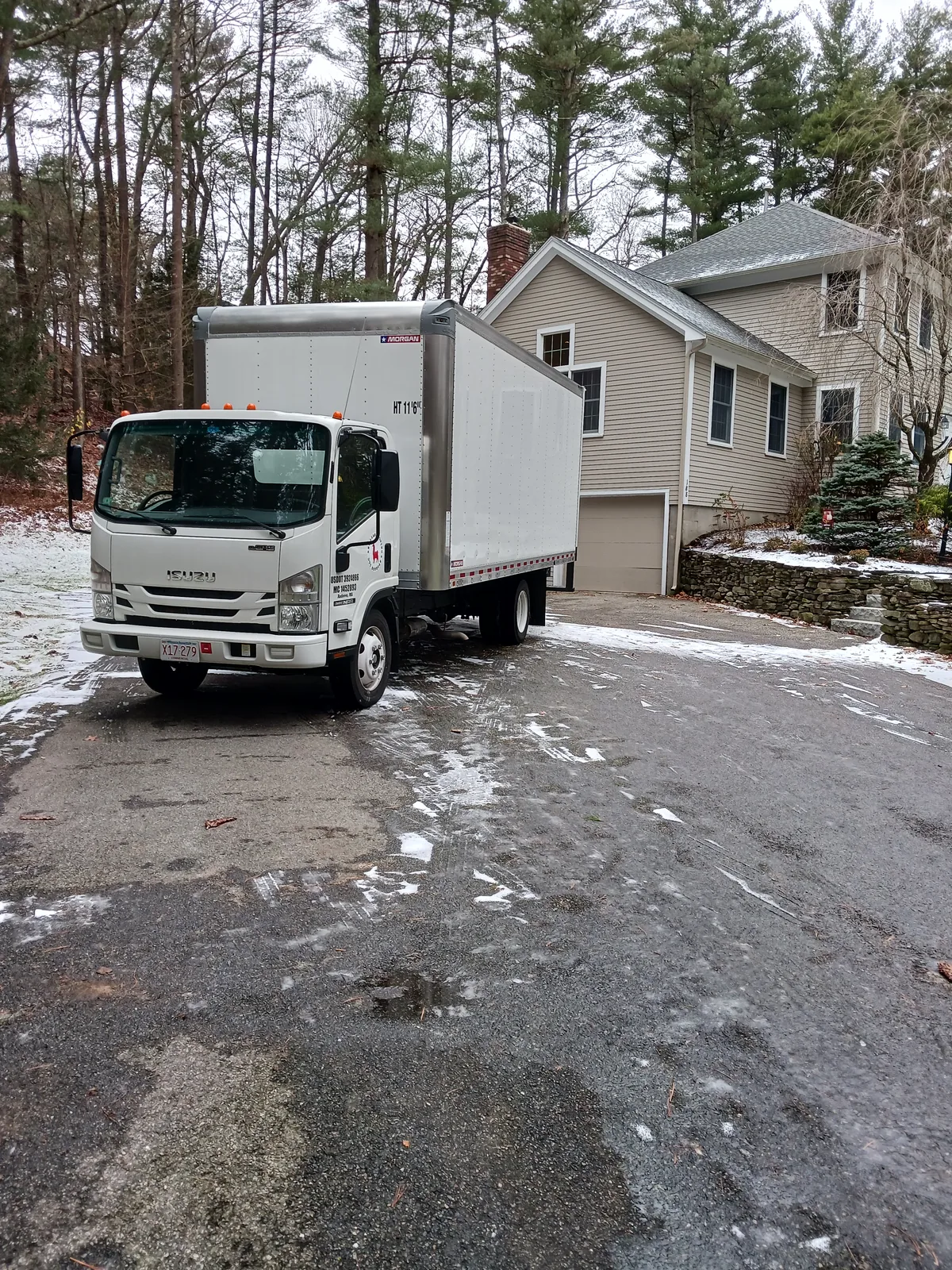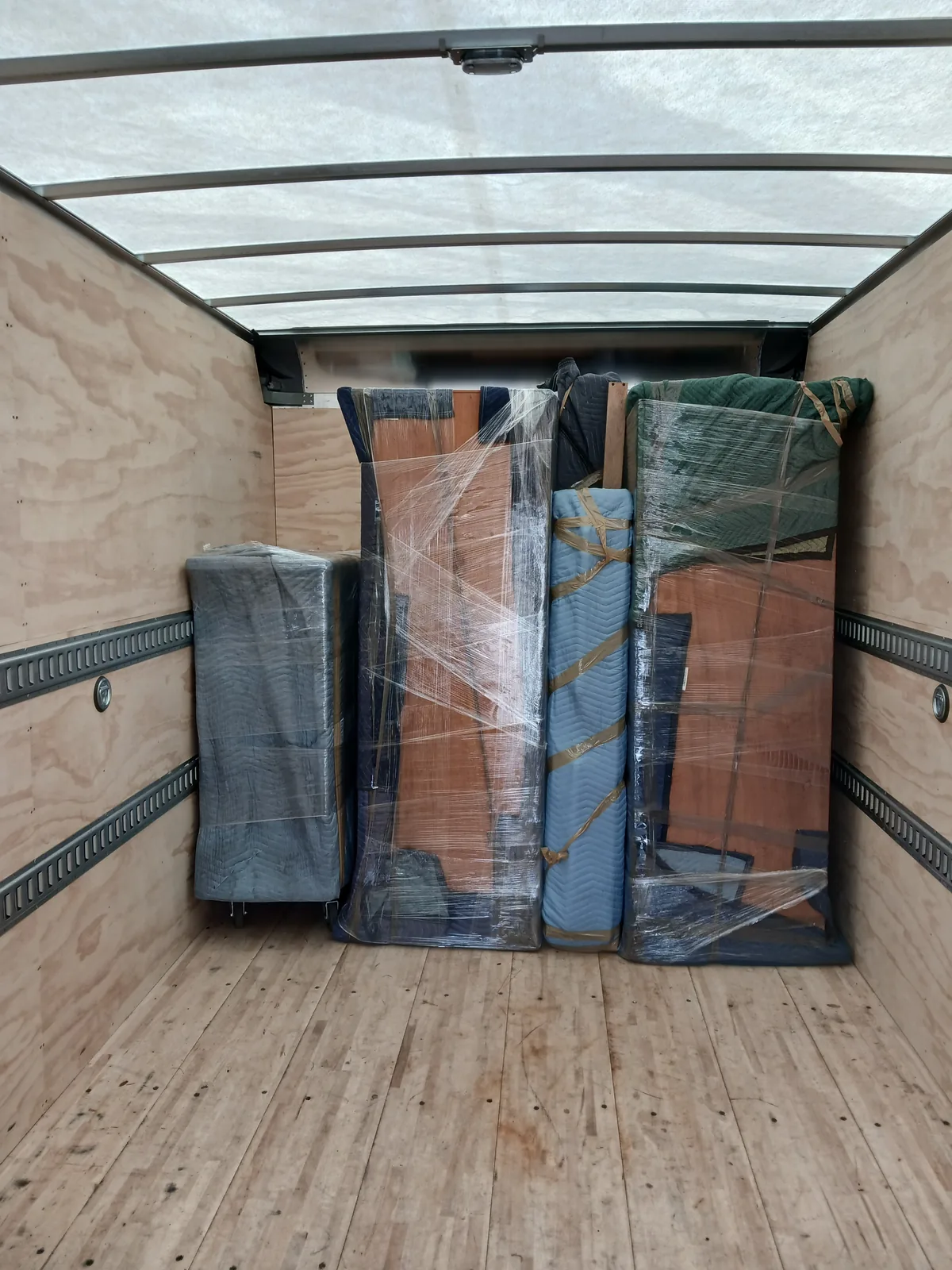
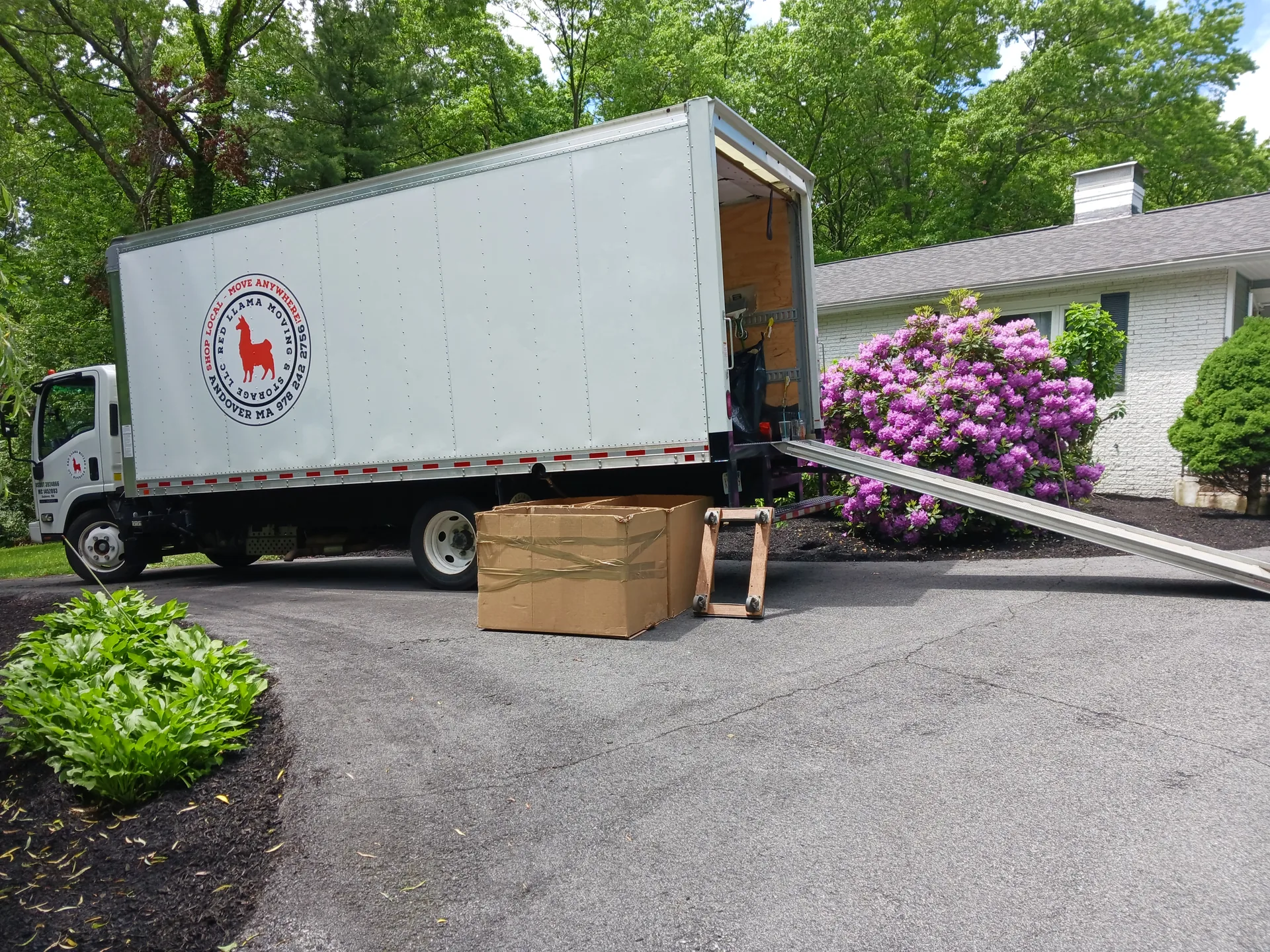
If you are moving from one home in North Andover to another place in Massachusetts, the mover you hire should hold a license from the Massachusetts Department of Public Utilities (DPU). You can check that yourself in a few minutes, before you book. This guide explains where to look, what the license tells you, and what to check again on moving day.
Does a mover need a license for a move within Massachusetts?
Yes. The state's guide to moving within Massachusetts says that all household moving companies must be licensed by the DPU to operate in Massachusetts. The DPU sets licensing and insurance requirements for these movers, including a minimum amount of cargo insurance, and it investigates complaints when something goes wrong.
That rule covers a move that starts and ends inside Massachusetts, such as North Andover to Andover or North Andover to another town in the state. A move that crosses a state line falls under a different regulator, covered below.
Where do you look up a mover's DPU license?
The DPU publishes a searchable list called Moving companies regulated by the Department of Public Utilities. Type the company name or its certificate number into the search box. Each listing shows the company name, any trade name (DBA), the certificate number, the city or town, and a link to the company's filed rates.
A quick way to use it:
- Ask the mover for its DPU certificate number before you book.
- Search that number on the DPU list.
- Check that the company name on the list matches the company you are talking to.
- Open the rates link if you want to see the tariff the mover has on file.
For example, Red Llama's certificate number appears on this website as MA DPU License 32068, so that is the number to search if you are checking us.
Why should the license number appear in the mover's ads?
Massachusetts law asks for it. Chapter 159B, Section 16B of the General Laws says a mover that carries household goods within the state must put its name and its DPU certificate number in every advertisement, in the form "MDPU NO." If a mover's website, flyer or listing gives you no certificate number at all, ask for one and look it up.
What does the mover's tariff tell you about price?
A tariff is the set of rates a mover files with the DPU. The state guide says movers must file their rates and may not charge more or less than the rates on file. It also notes that an estimate is not a bid or a contract. Your final bill depends on the hourly rate, the packing done and any other services performed, and hourly moves include a travel-time charge based on the distance between loading and unloading.
For a North Andover move, that means the questions worth asking up front are practical ones: how many people and trucks, what packing you want the crew to handle, and what access looks like at both homes, such as stairs, long walks from the truck or tight driveways. Those details shape the time the move takes. If you want an estimate, the state guide recommends a written one based on a walk-through of everything that is moving, because phone and email estimates are non-binding.
What should the bill of lading show on moving day?
The bill of lading is your contract with the mover. The state guide says the driver must give you a copy before loading, and that it should include:
- the moving company's name and address
- the company's DPU license number
- a phone number where you can reach the company
- your contact details, the loading and delivery dates, and any storage instructions
- the declared or released valuation of your shipment
Read it front and back before you sign, and keep your copy until everything is delivered, paid for and settled.
How much protection comes with a basic move?
Less than many people expect. Under the base rate described in the state guide, a mover's responsibility is limited to 60 cents per pound per article. A lost or damaged item is reimbursed for the actual loss, up to 60 cents times its weight. The Federal Motor Carrier Safety Administration shows the math for the same 60-cent rate on interstate moves: a 25-pound TV would bring $15.
The state guide says most movers offer the option of a higher declared value, so ask your mover whether it does and what it costs. Separate arrangements may be needed for items of extraordinary value, such as antiques or paintings, and the guide suggests asking the mover for a list of items its cargo insurance does not cover.
Who regulates a move from North Andover to another state?
The DPU only covers movers working solely within Massachusetts. Moves that cross state lines are regulated by the Federal Motor Carrier Safety Administration (FMCSA), which the state lists at (888) 368-7238. If your move leaves Massachusetts, see our page on long-distance/interstate moving and ask the mover how its interstate paperwork and valuation options work.
What if something goes wrong after the move?
The state guide's advice is to contact the mover first and explain the problem. If that does not resolve it, the DPU's Transportation Oversight Division investigates written complaints, which you can send through the state's moving complaint form. For damage, the guide suggests saving the damaged items so the mover or adjuster can inspect them, reporting the claim promptly and confirming it in writing. Your bill of lading may set a time limit for reporting damage.
Getting ready for a local move in North Andover?
Red Llama is an owner-led mover based in Andover, licensed as MA DPU License 32068, and Leo, the owner, is on every move. Read more about our local residential moving service and the North Andover moves we handle, or request a moving quote and tell us about both homes.